
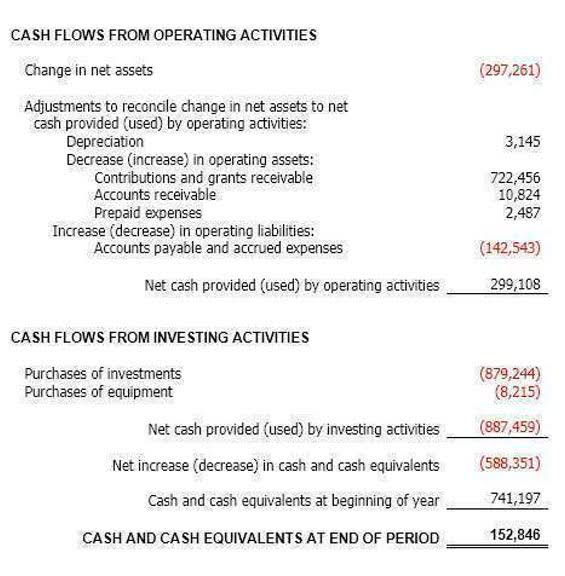
This comprehensive program offers over 16 hours of expert-led video tutorials, guiding you through the preparation and analysis of income statements, balance sheets, and cash flow statements. Gain hands-on experience with Excel-based financial modeling, real-world case studies, and downloadable templates. Upon completion, earn a recognized certificate to enhance your career prospects in finance and investment. Depreciation is appropriate for tangible assets like vehicles, industrial equipment, or office buildings.
Money management on the go

This means that each monthly payment the borrower makes is split between interest and the loan principal. Because the borrower is paying interest and principal during the loan term, monthly payments on an amortized loan are higher than for an unamortized loan of the same amount and interest rate. But you can also use an amortization calculator to estimate payments for other types of loans, such as auto loans and student loans.
Current Local Thirty Year Mortgage Rates

In addition to paying principal and interest on your loan, you may have to pay other costs or fees. For example, a mortgage payment might include costs such as property taxes, mortgage insurance, homeowners insurance, and homeowners association fees. The interest rate is different from the annual percentage rate, or APR, which includes the amount you pay to borrow as well as any fees. Entering an estimated APR in the calculator instead of an interest rate will help provide a more accurate estimate of your monthly payment. With some types of loan, it’s possible to make extra monthly or quarterly payments, in addition to your minimum monthly payment. Imagine a $200,000 mortgage loan with a 30-year term at a 5% interest rate.

Mortgage monthly payment calculator
The IRS has specific rules regarding the amortization of intangible assets. The useful life of an intangible asset cannot exceed 15 years, and the asset must have a determinable useful life. Goodwill, for example, cannot be amortized because it has an indefinite useful life. Under generally accepted accounting principles (GAAP), intangible assets are recorded on the balance sheet at their historical cost.
By adding an extra $200 per month, you could potentially reduce your loan by several years and save tens of thousands of dollars in interest. Identify opportunities to save money by making extra payments toward your loan principal. After the interest-only period ends, the borrower is required to make principal and interest payments for the remainder of the loan term. Negative amortization can amortization vs depreciation occur with certain types of loans, such as interest-only loans and adjustable-rate mortgages. Accountants use amortization to ensure that the cost of the intangible asset is matched with the revenue it generates.

Our Amortization Schedule Calculator is a flexible solution that will create a free amortization schedule you can print and keep for future reference. The rest of the table can be filled out using the iterative process described above. Here, I have condensed the table so that you only see the first three months and the last three months.
- When the equity in your house reaches 20% the PMI can be removed, so this is another reason to choose the 15 year option – where your equity builds faster.
- This process helps smooth out your expenses over time, giving you a more accurate picture of your business’s financial health.
- Amortization is the process of gradually reducing a debt over a specific period through scheduled, equal payments.
- As the borrower approaches the end of the loan term, the bank will apply nearly all of the payment to reducing principal.
- After the interest-only period ends, the borrower is required to make principal and interest payments for the remainder of the loan term.
Why do we amortize intangible assets?
Amortizing a loan provides predictable monthly payments, which helps in budgeting and financial planning. It reduces the principal over time, decreasing interest costs in the long run and ensuring full repayment by the loan’s end. Understanding amortization in this context helps in managing cash flows, as it offers predictable monthly payments that cover both the principal and interest. It also aids in long-term Statement of Comprehensive Income strategic planning, allowing businesses to forecast when major expenses like refinancing or property upgrades will be viable. In most cases, the amortized payments are fixed monthly payments spread evenly throughout the loan term. Interest is the fee for borrowing the money, usually a percentage of the outstanding loan balance.
One thing is easy to fill in, which is the “Payment” column, since the payment will not change. Enter theappropriate numbers in each slot, leaving blank (or zero) the valuethat you wish to determine, and then click “Calculate” toupdate the page. Suppose a company, Dreamzone Ltd., purchased a patent for $100,000 with a useful life of 10 years. Dreamzone divided the purchase price by the useful life to amortize the patent’s cost. It’s crucial to constantly review and adjust financial strategies in response to changing circumstances. Staying proactive about these risks ensures you’re prepared to mitigate their impact, maintaining stability and nimbleness in your financial operations.
Amortization Explained
Understanding these principles helps maintain accurate records, offering insights into the true value and remaining useful life of your intangible assets. Making additional payments toward your loan principal reduces the balance faster, decreasing overall interest costs and shortening the loan duration significantly. A loan amortization schedule is a table that shows the breakdown of each payment made towards a adjusting entries loan.
Proper amortization can enhance a company’s creditworthiness and make it more attractive to potential lenders. Incorporating amortization into your strategic financial planning offers several advantages. By understanding how amortization works, you can align debt repayment schedules with cash flow forecasts, ensuring that you have enough liquidity to meet other financial obligations and opportunities. This strategic alignment allows for a more predictable financial future, letting you plan major expenses and investments with confidence.